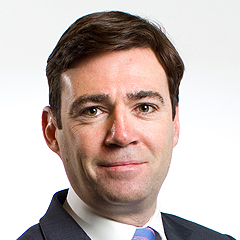
Rebecca Harris is the Conservative MP for Castle Point, and has been an MP continually since 6 May 2010. She currently undertakes the role of Opposition Chief Whip (Commons).
“Further to this morning’s business statement, it may help the House if I confirm that, prior to the House rising tonight, we intend to consider the following business: Consideration of Lords amendments to the Post Office (Horizon System) Offences Bill, followed by consideration of Lords amendments to the Media Bill. For the further convenience of the House, it may help if I also confirm that the business for tomorrow, Friday 24 May, will include the following items: Consideration of Lords amendments to the Victims and Prisoners Bill. Debate on a motion to approve the Sanctions (EU Exit) (Miscellaneous Amendments and Revocations) Regulations 2024. Debate on a motion to approve the draft Coroners (Suspension of Requirement for Jury at Inquest: Coronavirus) Regulations 2024. Debate on a motion to approve the draft Energy Act 2023 (Consequential Amendments) Regulations 2024. Debate on a motion to approve the Tribunal Procedure (Upper Tribunal) (Immigration and Asylum Chamber) (Amendment) Rules 2024. If necessary, consideration of Lords amendments to the Leasehold and Freehold Reform Bill. General debate on matters to be raised ahead of the forthcoming Dissolution, to allow for valedictory speeches by Members of Parliament. If necessary, consideration of further Lords messages. The House will prorogue following a message from the Lords Commissioners.”
Spoke in 14 debatesAsked 3 questions
Immigration and Policing
Community Pharmacies: Police Officer Safety
“Absolutely unquestionably—spitting is a revolting thing to do. Often the last resort for someone being arrested is to try to spit, out of spite. We have already heard about the around 23,000 assaults on police officers across the country. I was shocked to learn that there were just under 700 assaults in Essex alone. However, many more go unreported, sometimes because officers feel the offence is so commonplace it will not be pursued and, more worryingly, that the sentence will perhaps not reflect the assault’s effect on the officer. The innovation of body-cams has been very effective in its roll-out in Essex. The cameras have reduced assaults on officers and increased the possibility of prosecutions. But they do not in themselves deal with the inconsistency on reporting, sentencing or prosecution. I spoke to the chair of the Essex branch of the Police Federation about officer experience post assault. What I heard was largely very positive with regard to how the force itself supports its officers. However, the chair stressed again and again that there were incidents where the psychological effect on the victim of an attack was not taken into account in sentencing, whereas it would be for many other crimes. It is right that the courts, through the independence of the judiciary, have discretion to take into account the circumstances of each case in determining the appropriate sentence, but in cases of assaults on officers, courts really need to consider the implications for the officer’s mental health. When a sentence is very low or non-existent, there is further psychological damage to the officer involved; they feel undervalued, unappreciated and not paid the respect they deserve for putting their lives on the line for us on a daily basis. That is not good enough. We must protect the very people who do so much to keep us safe. It must be clear that any attack on a police officer will be punished to the fullest extent of the law. The independent Sentencing Council produced the guidelines; it is important it recognises how seriously the public feel about attacks on serving police officers. We should not fall into seeing attacks on police officers as a hazard of the job or as in some way so everyday an occurrence that they are less significant than assaults on members of the public. I urge everyone to take the contrary view: that such attacks ought to be judged more severely, as police officers deserve our protection and support in return. That point must be repeatedly stressed to the Crown Prosecution Service. Anecdotally, we know that there are concerns about the wide variation around the country in the approach taken by the CPS towards assaults on officers. The message needs to go out to the CPS loud and clear that assaults on police must be charged at the most appropriate gradation, and that that must be consistently applied across the country. Likewise, I would like the message to go to the judiciary that they must understand that we want the police to have the full support of the law behind them. I warmly welcome the Minister’s announcement that police forces will be required to record offences against officers properly as part of their crime statistics. Our police service is absolutely second to none in the world, which is why they need support from us that is second to none.”