
FAQsTermsPrivacyContact
State Logo
StateConstituenciesRepresentative
Back to Melton and Syston
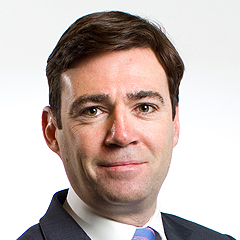
Edward Argar

Edward Argar

Conservative MP for Melton and Syston

The Rt Hon Edward Argar is the Conservative MP for Melton and Syston, and has been an MP continually since 7 May 2015.

Share
Website

Seat status

Safe

Percentage of votes

11.73%

Recent swing

-25.1% Conservative

Party

Conservative

Top donors:

No registered donations

Explore what Edward is advocating for

Filter by topic

Healthcare

Health and Social Care: NHS Waiting Lists

“Among the things that can help reduce waiting lists and waiting times is increased use of existing community hospital facilities, such as Melton Mowbray hospital in my constituency. Will the Secretary of State join me in calling on the local ICB and University Hospitals of Leicester NHS trust to invest in moving more services out of inner-city acute settings and into Melton hospital, so that more of my constituents can get the treatments they need nearer to home?”

Spoke in 39 debatesAsked 46 questions
Courts and Prisons

Justice: Topical Questions

“In their 2024 manifesto, the Government made a promise to set up specialist rape courts in every Crown court location. Two years on, how many have been set up?”

Spoke in 22 debatesAsked 23 questions
Share advocacy

Key Parliamentary Votes

See where your MP stands on these issues

VOTED NO4 Sep 2025

House of Lords (Hereditary Peers) Bill

✓ Passed — 336 For, 77 Against

VOTED NO9 Mar 2026

Children's Wellbeing and Schools Bill

✓ Passed — 307 For, 173 Against

VOTED NO10 Mar 2026

Courts and Tribunals Bill

✓ Passed — 304 For, 203 Against

Where Edward fits into things

Sir Keir Starmer

Sir Keir Starmer

Prime Minister

Edward Argar

Edward Argar

Conservative MP for Melton and Syston

Surgeries

Monthly in-person, occasional online

Examples of successful citizen influence

  • Coordinated constituent emails leading to parliamentary questions
  • Local campaign prompting a public statement

Pressure that tends to influence

  • High volume constituent contact
  • Media attention on local issues
  • Cross-party committee pressure