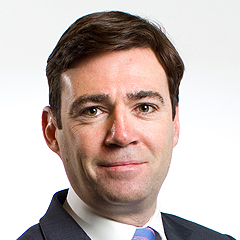
The Rt Hon Pat McFadden is the Labour MP for Wolverhampton South East, and has been an MP continually since 5 May 2005. They currently hold the Government post of Work & Pensions Secretary.
“In his review Alan Milburn considered that issue and said that, “the UK’s NEET crisis is much more long-term and deep-seated than any decisions taken in the last few years.” As I said earlier, 400,000 more people are in work this year than last year, and the number of young people in employment is up since the election. Our policies are designed to help business rally to the cause of getting more young people into work, and I am pleased that we are introducing hiring incentives of £3,000 to help businesses take on a young unemployed person who has been out of work for six months or more. There is a good reason to target that group with opportunity, because the longer people are on those benefits, the greater the consequences that can have for their lives in the long term. Their whole future is in front of them, which is why it is right that we help them.”
Spoke in 91 debatesAsked 8 questions
Science and Technology
Debate on the Address: Getting Britain Working Again
“Apprenticeships are really valuable and important. I visited construction apprentices with the Prime Minister just a couple of days ago, so I heartily endorse what the hon. Gentleman says. The issue of youth employment is really important to us because of the long-term consequences of young people staying on benefits. Let me illustrate this for the House. A young person under the age of 25 who is on the health element of universal credit is now less likely to get a job than someone over 55 on the same benefit. A 20-year-old on incapacity benefit is more likely to turn 30 and still be claiming it than to have held a steady job for a year. Perhaps worst of all, a young unemployed person is over 70% more likely than their peers to die prematurely. Changing those stories has to be at the heart of what we are doing. There are practical ways of doing that. We know that many disabled people—young and old—and people with health conditions want to work, but have been held back by the fear of losing their benefits if things do not work out, so just last month we changed the law to bring in the right to try. Keeping people locked on benefits because they lack the confidence to work is in no one’s interests—not the individuals’ and not the state’s. The change means that entering employment will not automatically trigger a benefit reassessment. This is practical welfare reform and this is what getting Britain working looks like. We also know that disabled people and people with health conditions need localised support to get back into work. There is no greater fan than me of the wonderful work that our elected local mayors are doing, so we are putting £1 billion of funding into local areas to help 300,000 people into employment over the next few years. That is what practical welfare reform looks like. Today, the Department has published new figures on fraud and error. They show continued progress and a fall since the post-pandemic period, but this is an ongoing effort. There is always more to do because there are unscrupulous individuals who will try to game the system, but whether it is £5,000 or £5 million from an undisclosed source—possibly someone located abroad—people are expected to declare it. There cannot be one rule for some and another rule for everyone else. In the coming weeks, my right hon. Friend the Minister for Social Security and Disability will set out our plans to deliver our manifesto commitment to tackle the Access to Work backlog. This important scheme provides grants to thousands of disabled people to help them get into and stay in work, through things like specialist equipment, assistive technology and adaptations. Members from across the House have raised with me the issue of backlogs and waiting times that grew under the Conservative Government. Well, under this Government, we are changing that to reduce the backlog and to help more disabled people into work. This is practical welfare reform and this is what getting Britain working looks like. We are restoring fairness in the system too. We are providing better value for money in the Motability scheme, with a target for half those cars to be made in Britain by 2035, so that this important scheme supports the British car industry too. We are stopping those who have not contributed from getting a British pension on the cheap. The work of reform will continue this year when, in the coming weeks, we receive interim reports from both the Milburn and Timms reviews, before they conclude later in the year. We will bring forward further proposals for reform, with work and opportunity at their heart, when those reviews have reported.”
Spoke in 9 debates
In Parliament
Selected from their parliamentary record
VOTED AYE20 Jun 2025
Terminally Ill Adults (End of Life) Bill
Commons division
VOTED NO8 Jan 2025
Reasoned amendment on Children's Wellbeing and Schools Bill